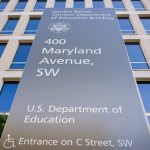

Colorado Education in Crisis: The Impact of Frozen Federal Funding
The recent decision by the federal government to pause the disbursement of more than $6.8 billion in funding for K-12 schools across the nation has stirred serious concerns in education policy circles. In Colorado alone, an estimated $70 million earmarked for critical initiatives—ranging from after-school programs to mental health services—has been caught in limbo. This op-ed examines the many tangled issues that arise from this funding freeze, assesses the influence on after-school activities in rural and urban districts alike, and considers the broader implications this decision holds for state education policy.
At its core, this funding delay is a striking example of how executive decisions can have profound and unpredictable trickier parts on local education systems. Using Colorado as a case study, we will take a closer look at the confusing bits behind the funding justifications, discuss the impact on community-based programs, and explore potential paths for Colorado school districts to find their way through these overwhelming challenges.
Impact on After-School Programs: Colorado’s Rural Challenges
Many Colorado districts, including those in rural regions, are now facing a nerve-racking predicament as they scramble to cope with the absence of critical funds. For instance, the Lake County School District—nestled high in Colorado’s mountains at an elevation of 10,000 feet—relies heavily on federal grants to support after-school programs that serve as essential child care. These programs are not merely about keeping kids busy after school. They are a lifeline, particularly in districts where many parents face long commutes from high-end resort towns to their workplaces.
Superintendent Kate Bartlett has warned that without the anticipated $400,000 in federal funds, the district risks shutting down programs that offer tutoring, healthy snacks, and cultural enrichment activities such as bagpipe lessons. In rural areas where the stakes are exceptionally high, the downstream effects of such cuts are loaded with issues, threatening not just the educational outcomes for students but also the regional economy, as parents may be forced to curtail work hours.
The educational challenges in these parts go beyond simple budget constraints. They encompass a host of subtle parts—each contributing to the overall quality of life in communities that rely on these programs for both academic support and stable childcare solutions. Districts, therefore, have found themselves in a profoundly tense situation, trying to figure a path through the myriad little twists of funding, staffing, and community expectations.
Key Challenges Faced by Rural Districts
- Dependency on Federal Grants: Many after-school programs depend on these funds to provide essential services that parents and community members value deeply.
- Economic Ripple Effects: The funding freeze could force parents to shorten work hours, impacting local economies.
- Program Reductions: Without funding, enhancements or even the preservation of current programs could be at risk, affecting everything from tutoring to extracurricular activities.
- Staffing and Operational Challenges: Cuts in funding often lead to reduced staffing and support, creating additional stress on already overwhelmed resources.
All these factors combine to yield a landscape that is both unpredictable and filled with downstream challenges. In places like Lake County, where the connection between community wellbeing and school programs is especially direct, the loss of federal support threatens to unravel hard-won gains in educational service provision.
Education Policy and Federal Funding: A Broader Perspective
The federal decision to delay funding is not simply a matter of logistics; it is also emblematic of the broader policy environment under the current administration. Despite Congress having approved the funds, the U.S. Department of Education has withheld their release while it reviews the spending in line with the President’s priorities. This move has prompted Governor Jared Polis to condemn the action, describing it as a direct attack on children, families, and educators across Colorado.
In a time when schools are increasingly expected to deliver not only academic excellence but also social and emotional support, any interruption in federal funding risks undermining these intertwined supports. The educational policy landscape is full of hidden complexities—those subtle parts that include not only funding formulas but also the delicate balance between federal guidance and state autonomy. The wedge between centralized power and local needs is now loaded with tension.
Proponents of the funding freeze argue that federal resources must be spent in accordance with specific presidential priorities. However, critics point out that such a unilateral decision ignores the practical and often nerve-racking consequences faced by educators and families. With these mainland and rural districts left in limbo, state leaders and local policymakers must now work diligently to sort out the best response.
Comparing Federal and State Roles in Education Funding
| Aspect | Federal Approach | State Approach |
|---|---|---|
| Funding Allocation | Must follow Congress-approved guidelines and presidential priorities | Tailored to meet local needs and district-specific challenges |
| Flexibility | Often rigid due to overarching national policies | Greater flexibility but limited by available resources |
| Accountability | High-level scrutiny regarding political and administrative objectives | Focus on local outcomes and stakeholder satisfaction |
| Impact on Programs | Significantly affects targeted programs such as after-school and mental health services | Influences a broad spectrum of educational and community programs |
This table illustrates the nuanced differences between federal and state approaches, highlighting that even though funds are meant to support local needs, the allocation process can create conflicting scenarios that drive uncertainty and anxiety across districts.
Deep Dive into the Effects on Mental Health Services
Another critical element of the broader funding pause is its impact on mental health initiatives within educational institutions. Earlier this year, the Trump administration made the controversial decision to cancel about $1 billion in grants, which were specifically designed to bolster student mental health services. These grants have been an essential resource for school districts and higher education institutions aiming to address rising mental health challenges among students.
For universities like the University of Colorado, University of Northern Colorado, and the University of Denver, as well as state bodies like the Colorado Department of Education, these funds were seen as a super important investment in addressing the shortage of school-based mental health professionals. The cancellation of these funds has led to a significant setback, especially at a time when students face overwhelming challenges such as loneliness, isolation, and academic pressure.
Critics argue that mental health should be viewed as an essential component of the overall educational experience. The lack of investment in this area not only negatively impacts the immediate wellbeing of students, but it also has long-lasting effects on the educational and professional outcomes of future generations. Colorado Attorney General Phil Weiser’s decision to join a coalition of state attorneys general in filing a lawsuit exemplifies the urgency and seriousness with which this issue is being treated.
The Ripple Effects of Cancelled Mental Health Grants
- Reduced Access to Support: Without reliable funding, many schools could face cutbacks in mental health services, leaving vulnerable students without necessary support.
- Increased Strain on Staff: Teachers and counselors, already taxed by increasing demands, might struggle to meet heightened mental health needs without additional support.
- Long-Term Educational Impact: A decline in mental health services can lead to increased absenteeism, lower academic performance, and cut short the potential for successful long-term outcomes for students.
- Community Wellbeing: The broader community could also suffer as families, overwhelmed by the lack of support, navigate the downstream effects—ranging from economic challenges to social disintegration.
These points reflect the interconnected nature of funding decisions and mental health programs. Each bullet point underscores the fact that a neutral oversight or delay can have wide-ranging repercussions that extend beyond simple budget figures.
Stakeholder Perspectives: Educators, Administrators, and Policymakers
In the wake of the funding freeze, voices from various sectors of the education ecosystem have emerged. District leaders like Denver Public Schools superintendent Alex Marrero and board president Carrie Olson have voiced strong opposition to the decision. They ardently claim that withholding these congressionally-approved funds is not only a logistical mess but also a clear violation of the trust placed in public institutions by the local communities they serve.
These stakeholders argue that the decision to halt funds affects vital programs that provide not only academic support but also a broader network of services that take care of students’ overall well-being. They call for the immediate release of money already obligated to schools, describing the move as a dangerous overreach of executive authority that undermines locally driven education initiatives.
Meanwhile, many educators on the ground are confronted with a mix of professional and personal challenges. Teachers have expressed anxiety about the potentially overwhelming loss of key support structures that help ensure every child has access to quality education. With federal funds delayed or under review, the timing is particularly nerve-racking as districts approach the academic year, leaving educators in a race against time to craft alternative solutions with limited resources.
Direct Quotes from Educators and Policy Experts
- Governor Jared Polis: “This funding for our schools is already obligated, and it’s absurd that the federal government withheld it. Investing in education and ensuring that Colorado children have the best possible future has been a top priority.”
- Superintendent Kate Bartlett (Lake County): “It’s not just losing out on Lego robotics. The downstream impact is actually much deeper—for children, for families, and for our regional economy.”
- Denver Public Schools Leadership: “This action is not just a logistical crisis—it is a moral and constitutional breach. The decision to delay the distribution of congressionally-appropriated education funds is a dangerous overreach of executive authority.”
These statements, while reflecting differing degrees of urgency, all converge on the same point: federal decisions on education funding carry immediate and deep consequences that inevitably filter down to the students and communities that rely on them. The debate is a small part of a larger conversation about the roles and responsibilities of various levels of government in providing key public services.
State-Level Policy Solutions and Recommendations
Given the current situation, state officials and local education leaders must work together to figure a path through these tangled issues. With Colorado’s future in mind, a clear set of recommendations and policies could help mitigate the effects of delayed federal funding. These proposals are centered on ensuring that essential services—especially for vulnerable communities—continue without interruption, even in times of political uncertainty.
One crucial element of policy planning should be the development of reliable alternative funding streams that can serve as a buffer when federal funds are delayed. This could involve increasing state allocations to education or exploring public-private partnerships that focus on the key aspects of student support, such as after-school programs and mental health services. In addition, local leaders should work to establish emergency plans that provide temporary relief while awaiting the release of funds.
Policy Proposals to Stabilize Education Funding
- State Emergency Education Funds: Create a reserve fund that can be accessed when federal funds are delayed or temporarily frozen. This could bridge the gap and ensure that current programs remain operational.
- Enhanced Public-Private Partnerships: Engage with local businesses and philanthropic organizations to secure additional funding, particularly for after-school and mental health initiatives.
- Revised Funding Allocation Flexibility: Advocate for federal policy reforms that allow for quicker disbursement of funds once granted by Congress, reducing the gap between budget approval and actual implementation.
- Local Resource Mobilization: Encourage districts to collaborate and share resources, fostering a community-based approach that leverages the strengths of multiple regions to support vulnerable populations.
Implementing these proposals would require robust coordination between the Colorado Department of Education, local school districts, and state lawmakers. Together, they could work to smooth over the problematic twists and turns that have thus far characterized the current funding environment. Moreover, these steps are not just about maintaining the status quo but are also intended to improve resilience against future unforeseen challenges.
Understanding the Broader Social and Economic Impact
Beyond the immediate setbacks in educational programming, the funding pause has extensive social and economic implications that cannot be overlooked. Colorado’s school districts are a lifeline to many families, particularly those in rural and semi-urban areas where after-school programs serve as both educational enhancements and critical childcare services. With parents having to potentially cut back on work hours due to reduced childcare options, the economic ripple effects could be significant.
Several outcomes may be observed in the long run:
- Increased Economic Stress on Families: Without uninterrupted access to after-school programs, many parents risk losing work hours, which can strain household finances.
- Greater Community Instability: Schools, especially those in vulnerable districts, are often key community hubs. Interruptions in funding directly translate to reduced community engagement, which may compound local issues over time.
- Long-Term Educational Setbacks: Interruptions in robust academic and support programs could lead to academic underperformance, impacting future opportunities for students.
- Strain on Local Economies: As districts face the prospect of cutting essential services, the resulting economic uncertainty could extend to other sectors that depend on a stable, well-educated workforce.
These issues underscore the keen interdependence between education and economic stability. When essential education programs are compromised, the ripple effects extend far beyond the classroom, impacting the overall vitality of communities and the state’s economic health over many years.
Small Distinctions in Funding Policies and Their Downstream Effects
When federal policies shift suddenly, even slight differences in funding mechanisms can lead to substantially different experiences on the ground. While local districts may have anticipated these funds for a long-planned academic year, the review process holds them hostage to administrative and political recalibrations. These small distinctions often conceal larger, less obvious issues:
- Timetable Uncertainty: Without a clear timeline for releasing the funds, districts are stuck in administrative limbo, unable to finalize budgets or secure staffing for upcoming school years.
- Operational Disruptions: Some programs are structured around long-term planning. When funds are delayed, the operational continuity of these programs is jeopardized.
- Community Mistrust: Parents, educators, and local stakeholders may lose trust in government processes when funding decisions are left hanging, introducing a tense atmosphere even before the academic year begins.
Policymakers need to acknowledge that these seemingly minor issues can create significant downstream effects on school operations and community morale. It is essential to get into the nitty-gritty of every funding detail so that no small twist is overlooked in the broader strategy for educational stability.
Lessons Learned and the Road Ahead for Colorado
The current situation provides a sobering reminder that education funding is subject to political winds as well as economic pressures. For Colorado, the lesson is clear: local districts must build resilient systems that can weather funding uncertainties, while state and federal officials must work together to eliminate as many of the nerve-racking twists and turns as possible in future policy implementations.
A proactive approach would involve several strategic measures:
- Budget Diversification: School districts should consider diversifying their revenue streams beyond federal grants. This could involve local fundraising, partnerships with private enterprises, and state-level budgeting strategies that reduce vulnerability to federal funding delays.
- Policy Transparency: Greater transparency when it comes to federal spending and decision-making processes could help mitigate the anxiety felt by local districts. Knowing the fine points of why and when funds are withheld can assist local administrators in planning better.
- Stronger Advocacy: As seen by the strong statements from Colorado education leaders, there is a need for concerted advocacy efforts. Educators, parents, and policymakers must band together to press for reforms that ensure education funds are released as intended.
- Developing Flexible Contingency Plans: Districts should devise robust contingency plans that are designed to offer short-term solutions without compromising long-term goals. Such plans might include reallocating existing resources temporarily or utilizing emergency state-provided funding pools.
By taking these steps, Colorado educational leaders can work through the current challenges while building a robust framework to manage future uncertainties. The interplay of federal actions and local needs creates a landscape full of delicate details, but a coordinated effort can help steer through these complications toward a more resilient future.
Community Initiatives and Grassroots Efforts to Bridge the Gap
In the wake of funding uncertainties, grassroots initiatives have begun to emerge as beacons of hope for many communities. Local organizations and parent-teacher associations are stepping up to fill the void where federal funds have faltered. These community-led programs provide tutoring, mentorship, and even supplemental mental health services to ensure that no student is left unsupported.
Some of the notable community responses include:
- Local Fundraising Drives: In several districts, meetings between parents and teachers have led to creative fundraising activities aimed at securing short-term funds for after-school programs.
- Volunteer Networks: Enthusiastic community volunteers are taking part in tutoring and mentoring programs, aiming to compensate for the staff shortages caused by funding delays.
- Partnerships with Local Business: In some areas, small businesses are collaborating with schools by providing supplies, hosting workshops, or sponsoring recreational activities for students.
- Mental Health Support Groups: Even without renewed federal funds, local support groups are stepping in to offer emotional and psychological support to students, parents, and educators alike.
These initiatives, while born out of necessity, reflect a broader truth: that education is a community effort. In rural and urban areas alike, stakeholders are finding their way through the challenging bits to secure a future where every child receives the comprehensive support he or she deserves.
Concluding Thoughts: Rebuilding Trust in Public Education
As this funding crisis continues to unfold, the central message remains unmistakable: public education is a cornerstone of community vitality, and its support must be consistent, transparent, and resilient. The frozen federal funds expose not only administrative and political challenges but also the deep connections between educational success, mental health support, and economic stability in Colorado communities.
In a climate marked by tangled issues and overwhelming doubts, educators, policymakers, and community leaders must work collectively to address and mitigate these challenges. The state—and indeed, the entire country—needs policies that bridge the gap between federal decisions and local realities. Only through collaborative effort can we ensure that every student enjoys the essential support systems that make a difference in both their academic journey and overall well-being.
Moving forward, the affected districts must not only seek alternative funding sources but also build robust partnerships, plan for contingencies, and advocate for systemic reforms that safeguard education funding from political fluctuations. This is particularly critical for vulnerable communities where every funding hiccup carries the risk of derailing essential programs that support students in every twist and turn of their educational journey.
Key Takeaways
- Federal funding delays in Colorado have underscored the need for diversified and resilient education financing.
- Rural districts, which heavily depend on after-school programs, face significant operational and economic challenges due to the funding freeze.
- The cancellation of mental health grants earlier this year exacerbates the strain on educators and communities, necessitating urgent policy responses.
- Stakeholders—from state officials to local community groups—are urged to collaborate in creating contingency plans, fostering public-private partnerships, and enhancing transparency in policy decisions.
- The current crisis is a wake-up call to rebuild trust in public education and ensure that even in times of political turbulence, the needs of children remain paramount.
Education is not an isolated sector; it is deeply interconnected with the social, economic, and cultural fabric of every community. The lessons learned in Colorado today will serve as essential guideposts for how we address future funding challenges—ensuring that all students have access to the quality education and vital support services they need to thrive.
In conclusion, while the current funding hold is undeniably messy and stands as a nerve-racking challenge for school districts across Colorado, it also presents an opportunity to rethink and reengineer our approach to education funding. By aligning policies across federal, state, and community levels, we can mitigate the disruptive effects of funding delays and ensure that every child’s right to education is preserved amid external uncertainties.
Looking Ahead: A Call for Collaborative Action
Colorado’s funding challenge is emblematic of a larger issue facing education in America today. With federal, state, and local interests sometimes at odds, it is crucial that all parties get into the nitty-gritty of creating a more stable and predictable educational environment. The time has come for a unified, community-driven approach that leverages every available resource to support our schools.
We call on policymakers to:
- Agree on a clear and feasible timeline for releasing congressionally-appropriated funds.
- Adopt policies that allow flexibility in times of unexpected federal policy changes.
- Collaborate with educators, administrators, and community stakeholders to establish emergency funding protocols.
At the same time, parents, educators, and community organizations must continue to advocate for policies that treat education funding as an essential public good. The financial support systems that underpin our schools are not mere budget items—they represent our collective commitment to the future of our children.
As we work through these trying times, let us remember that despite the overwhelming challenges and intimidating uncertainties, the strength of our education system lies in the combined efforts of dedicated professionals, engaged communities, and forward-thinking leaders. Together, we can tackle the twists and turns of today’s funding crisis and steer our schools toward a future marked by stability, innovation, and unwavering commitment to educational excellence.
In this moment of pause and uncertainty, Colorado stands at a crossroads. The decisions made in the coming weeks and months will have lasting ramifications not only for the state’s education system but also for the well-being of the communities that depend on it. It is imperative that we work together to restore the faith in public education funding and ensure that every child, regardless of their background or location, has access to the key resources necessary for success.
Final Reflections
The current funding freeze is a reminder of the complicated pieces inherent in the world of education policy. It is not only a financial or administrative challenge but one that impacts the very core of what it means to provide quality education. The small distinctions and fine shades that define funding policies have the power to uplift or undermine entire communities. As such, it is both a responsibility and a privilege for all of us—educators, policymakers, and community members—to keep fighting for policies that prioritize the well-being of our students.
Looking ahead, let this crisis be the catalyst that propels Colorado and, indeed, the nation, toward a more collaborative, flexible, and transparent approach to education funding. By working through the tricky parts, addressing the tangled issues head-on, and ensuring that every decision is made with the best interests of our children at heart, we can build an education system that is resilient in the face of political uncertainty and capable of supporting every learner’s potential.
In the end, the true measure of our success will be determined not by the short-term challenges we face but by our ability to adapt, innovate, and remain steadfast in our commitment to the next generation. Let this be the moment we all take to appreciate the importance of every educational opportunity, and let it inspire us to act decisively in support of the futures our children deserve.
Originally Post From https://www.realvail.com/colorado-after-school-mental-health-funds-frozen-by-trump-department-of-education/a22823/
Read more about this topic at
Trump freezes grant funding, upending school budgets
Trump administration freezes billions in funding for after- …