
OSPI’s Stand: Balancing Federal Directives and State Priorities
The current tug-of-war between state educational priorities and federal mandates is unfolding in Washington with a mix of surprising defiance and cautious optimism. The Washington Office of the Superintendent of Public Instruction (OSPI) is standing firm amid nerve-racking federal pressures, an investigation into its implementation of policies related to transgender student rights, and threats of federal funding cuts. In an atmosphere filled with twists and turns, OSPI continues to chart its own course as it confronts both tangled issues of Title IX and the changes pushed by the current federal administration.
This op-ed aims to take a closer look at the situation as OSPI finds itself at the crossroads of state law, executive orders, and instructional policy. While the federal government seeks to enforce significant cuts and reshape policies, OSPI is pressured to figure a path that maintains key protections for transgender students, even when federal rules seem to contradict state legislative actions.
Conflicting Federal Directives and State Commitment
At the heart of the debate lie the federal directives that often seem intimidating and off-putting to state agencies. The federal government, acting at the direction of the White House, has attempted to reshape state policies by pressing for a reduction in funding and imposing executive orders that many see as an overreach. OSPI is being accused of violating Title IX by permitting transgender students to participate in sports and use facilities (like locker rooms) that align with their gender identity.
State Superintendent Chris Reykdal explained the situation at a recent board meeting, noting that the situation is loaded with issues. “There are a lot of confusing bits in terms of how federal directives intersect with our established policies,” Reykdal commented. OSPI’s stance is clear: they refuse to simply follow every executive order, particularly those that seem to oppose state-protected rights. In fact, OSPI has even directed Washington’s 295 public school districts to disregard specific presidential directives related to transgender sports participation.
Key Points of the Federal-State Clash
- Transgender Rights: Federal officials argue that allowing transgender athletes to participate in sports and use locker rooms aligned with their gender identity violates Title IX. State officials, however, believe that such directives conflict with their established legislative priorities.
- Funding at Risk: In addition to policy disagreements, there is the threat of federal funds being clawed back. Limitations on funding—supposedly already allotted—could upend district budgets set for the 2025-26 school year.
- Legal Boundaries: OSPI stands by its decision not to unconditionally sign off on the president’s checklists. The department reserves the right to challenge or modify federal policy directives if they seem to directly conflict with Washington state law or its own mission.
These points highlight the delicate dance or tricky balancing act OSPI finds itself performing. The state education leaders are not merely resisting directives; they are trying to safeguard key protections negotiated in the state legislature and ensure that schools are not penalized financially for “working through” their own policies.
Comparing Washington with Other States: A Table of Divergence
Across the nation, states approach these federal edicts in different ways. For instance, California’s recent legal ruling is being held up as a precedent for defiance of federal mandates. Below is a table summarizing some of the differences between the approaches of various states:
| State | Federal Directive Response | Policy on Transgender Participation | Funding Approach |
|---|---|---|---|
| Washington | Defiant; refusal to follow executive checkboxes unconditionally | Protection of transgender students in sports and facilities | Concerned about potential cuts; already earmarked funding is at risk |
| California | Legally challenged federal orders; actively seeking to modify state compliance | Maintains transgender protections, with a binding legal stance on Title IX issues | Protected by state legislation, though also cautious of federal funding maneuvers |
| Other States | Varied responses based on political leaning and state autonomy | Some states have rolled back protections, others have maintained them | Varies with budgeting priorities and existing state laws |
This table offers a snapshot of the highly varied landscape of state responses. Just as every state finds its own tricky parts to sort out, the debate in Washington reflects commitments made by state legislatures that many see as key to preserving student rights.
State Legislature’s Role and the Protection of Student Rights
One of the most critical and super important parts of this issue is the role played by the Washington State Legislature. Recently, legislators passed measures that fortify protections for transgender athletes, aligning state law closely with modern understandings of gender identity and student rights. These laws provide support and encouragement for transversal student rights and challenge any directives that might diminish these rights.
Legislators have been clear: any federal mandate that seeks to remove or dilute these protections is not only unwelcome but also legally and morally problematic. As Reykdal noted, state officials are prepared to “reserve our rights based on state law” and have no intention of compromising on directives that offer vulnerable populations a secure standing. This state-level commitment serves as a bulwark against what is perceived as an encroachment on state rights by the federal administration.
Key Legislative Actions and Their Implications
- Affirmation of Transgender Protections: The Legislature’s new bill confirms that gender protections, alongside other fundamental rights, are critical. This sends a message that student safety and rights are a priority on multiple levels.
- District Accountability: With some school districts noted as out of step with state guidelines, the Legislature empowers OSPI to follow up on compliance matters. Insisting on strict adherence across all 295 school districts helps ensure consistency and fairness in the application of protections.
- Balancing Budgets: Even though Washington has secured millions in federal funds for upcoming school years, the Legislature and OSPI are on high alert because any abrupt change in funding could jeopardize school operations. There is an ongoing discussion about how to “figure a path” if federal funds are pulled back unexpectedly.
By taking these actions, the Legislature is not only outlining its priorities but also highlighting the state’s determination to resist any effort aimed at undermining their smaller yet key policy decisions that have far-reaching implications for student welfare and rights.
The Financial Tightrope: Education Funding in Uncertain Times
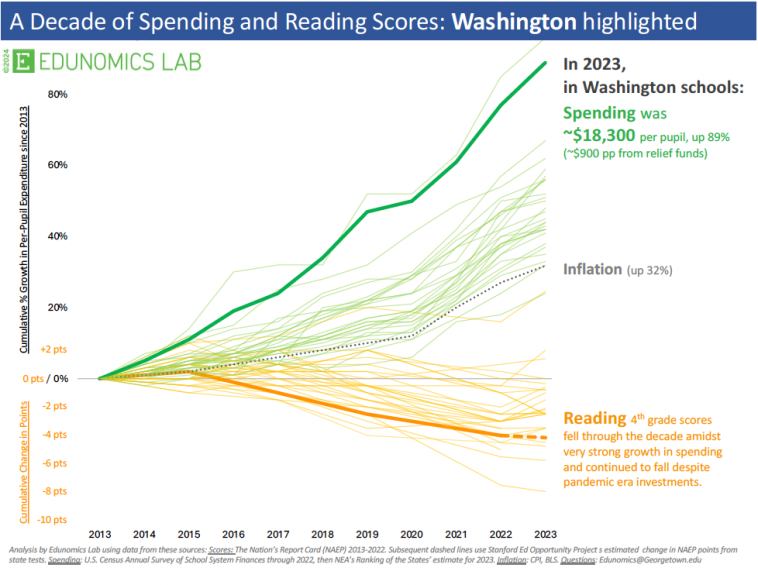
Education funding is always a tricky subject, and the current situation in Washington is no exception. With around $56 million on the line, already allocated by Congress for the next academic year, there is rising concern among school administrators that forthcoming adjustments could cause significant financial disruptions.
Reykdal warns that federal-level cuts might cause some targeted funding reductions. Although some see these adjustments as just managing tough times rather than a catastrophic event, it remains on the radar of all district administrators who must work through the challenges that come with uncertain financial backing.
What’s at Stake with Federal Funding?
- Budget Planning: Districts have formed their annual budgets under the assumption that federal funds will continue to flow. Any alterations or late-stage funding cuts could lead to a scramble to adjust programs and services.
- Program Disruptions: Investments in extracurricular, safety, and support programs—which are considered ideal for nurturing student success—might be jeopardized if funding is reduced unexpectedly.
- Long-Term Implications: Persistent funding insecurity could lead to an erosion of trust between federal agencies and state education leaders, potentially influencing policy debates for years to come.
From the viewpoint of many district administrators, the funding question is more than just dollars and cents. It encapsulates the larger struggle over who should have the authority to determine educational policy and the role of federal oversight in local education matters. The potential shortfall, estimated to occur beginning October 1, is a wake-up call for many, signaling that the twists and turns of federal politics can have a concrete effect on classrooms and communities alike.
The Role of Federal Investigations in Shaping Policy
Adding another layer of tension, OSPI is currently under investigation by both the U.S. Department of Education and the Department of Justice for allegations of Title IX violations. This investigation is centered on the policies that allow transgender students the freedom to participate fully in sports and use facilities corresponding with their gender identity.
Some argue that these investigations are part of a broader federal effort to shift the landscape of state education policies. Critics maintain that this move is aimed at forcing states like Washington to reduce their funding while simultaneously attempting to impose a one-size-fits-all approach that may not suit local needs. OSPI has responded by asserting that signing away state rights is simply not an option when those directives are at odds with established state law.
The Investigation: Breaking Down the Issues
- Title IX Concerns: The investigation specifically targets allegations that the state is violating Title IX by failing to uphold the strict separation of sexes in educational environments. Instead, OSPI defends its practices as protective and inclusive, underscoring the importance of following state law.
- Federal vs. State Jurisdiction: This case encapsulates one of the trickiest parts of federal-state relations—determining which laws should prevail when there is a conflict. The investigation serves as a test case for the broader debate about states’ rights versus federal oversight.
- Implications for Other Issues: Beyond the immediate allegations, the investigation could set a legal precedent regarding how states can implement policies aimed at protecting transgender students. The outcome may affect policies not only in Washington but also across the country.
While the investigation itself is complex and nerve-racking for those involved, it also highlights the literal “get into” moments where federal oversight meets state autonomy. This case is likely to fuel further debates among educators, policymakers, and legal experts about the best way to balance federal mandates with local values and needs.
Handling the Political and Social Friction
The present situation is loaded with problems that extend beyond dry legal debates and financial figures. At its core, the conflict touches on the day-to-day realities for transgender students and their families, who are seeking a secure and supportive educational environment. The policies in question also impact teachers, administrators, and even parents who must find their way through a maze of conflicting advice, legal rulings, and federal mandates.
In times like these, where there is a palpable tension between differing visions for education policy, it’s important to recognize the human element. Every legal battle, every budget discussion, and every court ruling has a ripple effect on the lives of individuals in these communities. OSPI’s firm stance might be seen as offering a sense of stability in a situation that is otherwise characterized by uncertain twists and tangled issues.
Community Perspectives and Reactions
- Parental Concerns: Many parents feel overwhelmed by the changes and worry about what inconsistencies in policy might mean for their children’s daily experiences at school.
- Educator Standpoint: Teachers and administrators are often caught in the middle of these debates. They must remain neutral while trying to ensure that classrooms remain focused on learning rather than political battles.
- Student Voices: For transgender students, the presence of policies that protect their rights is more than a legal victory—it’s a reassurance that their identities are recognized and respected. This is a super important point when discussing the overall climate of support at schools.
These community perspectives remind us that policy debates are not abstract—they are about real lives. The discussions on both sides of the aisle about funding, federal oversight, and student rights ultimately impact the fabric of daily school life. Even as OSPI and state officials wrestle with federal demands, the core issue remains student well-being and the ability to create a safe, nurturing environment.
Looking Forward: Strategies for Managing the Current Crisis
As Washington state continues to face these on-edge challenges, the need for practical strategies and adaptive planning has never been greater. OSPI, along with state legislators and school administrators, must take a proactive approach to manage the potential financial and policy fallout from federal pressure. The state’s response thus far demonstrates a willingness to confront these issues head-on, even if doing so means challenging federal authority in court or through legislative reform.
Steps to Secure Stability in Uncertain Times
- Legal Preparedness: OSPI’s decision to add a disclaimer to federal checkboxes is an example of state leaders taking a cautious stance. By maintaining a clear line on state rights, Washington is setting the stage for potential legal battles that could define the scope of federal influence.
- Enhanced Budget Flexibility: With the threat of funding cuts looming, districts may need to create contingency plans. This could involve reassessing budget allocations, reducing discretionary expenditures, or even developing partnerships with local businesses and community organizations to supplement funding.
- Stakeholder Engagement: In navigating through these confusing bits, state officials must keep lines of communication open with educators, parents, and community leaders. Transparency about the state’s position—and what it means on the ground—can help ease concerns and foster a cooperative approach to subsequent challenges.
- Policy Monitoring: Constantly tracking the outcomes of federal investigations and legal challenges will be crucial. Being proactive rather than reactive may allow education leaders to steer through difficulties before they escalate into full-blown crises.
By taking these preparatory steps, Washington can find its way through these turbulent times and maintain the integrity of its education system. While the road ahead is filled with tricky parts and nerve-racking issues, the commitment to student rights and high-quality education remains unwavering.
Reflections on Federal Oversight and State Autonomy
The current standoff between the federal government and Washington state highlights a broader debate about the appropriate role of federal oversight in education. On one side are federal officials who believe that consistent, nationwide standards are essential to protect vulnerable populations. On the other side are state officials who argue that local conditions and community values necessitate a more tailored approach.
This debate is far from new, but it has taken on fresh significance in light of recent executive orders and legislative actions aimed at addressing gender identity issues in schools. The challenge is not simply about deciding who should have the final say—it’s about reconciling two very different philosophical approaches to governance and education.
Federal Objectives vs. State Protection
- Federal Uniformity: Federal mandates are designed to ensure that rights are equally protected across all states. In theory, this creates a level playing field where no student is left behind.
- State Customization: State policies, however, often reflect the unique social, cultural, and economic conditions prevailing in a particular region. Washington’s solid commitment to maintaining gender protections is a prime example of this approach.
- Balancing Act: The intertwined relationship between federal oversight and state autonomy represents a classic case of working through complicated pieces that are both essential and frustratingly tangled.
For many observers, the debates currently simmering in Washington represent just one chapter in a long story about the balance of power. Whether one views the federal push as necessary or as overly intrusive may ultimately depend on one’s perspective on the role of government in personal and community life. In the meantime, OSPI and state officials continue to find their way through this maze, asserting their right to maintain policies that resonate with the needs and values of their constituents.
Insights on the Future of Education Policy in Washington
Looking ahead, the outcomes of these disputes will likely have far-reaching consequences for education policy—not only in Washington but across the nation. Students, educators, and policymakers are all watching closely as Washington strikes a path forward that respects the demands of both federal oversight and local autonomy.
One can only imagine how future administrations might handle these issues differently. Perhaps future trends in education funding, coupled with rapidly changing social norms, will force adjustments on both federal and state levels. For now, however, the key takeaway is that the current environment demands careful, deliberate action. OSPI, state legislators, and local school districts are on the front lines of this debate, serving as the intermediaries between lofty federal mandates and the gritty, on-the-ground realities of American public schools.
Potential Long-Term Developments
- Legal Precedents: The results from the ongoing investigation and any subsequent court rulings will set important legal precedents that could reshape how states across the nation implement student protection policies.
- Budgetary Adjustments: As communities brace for potential funding shortfalls, local governments might need to adopt more innovative budgeting strategies, putting greater emphasis on community partnerships and supplemental revenue streams.
- Increased Stakeholder Involvement: The discussion around transgender rights in education is likely to lead to robust dialogue among educators, parents, and policymakers. Increased public involvement may well drive future policy developments, ensuring that new laws reflect the diverse views of the affected communities.
- Emphasis on Local Autonomy: With states increasingly reluctant to cede control to the federal government, future policies may be crafted with a greater emphasis on local values and context-specific needs, reinforcing the principle that education should serve the students’ best interests at all levels.
In navigating these changes, state leaders must be prepared for both unexpected challenges and new opportunities. By engaging with all stakeholders, ensuring transparent communication, and maintaining a flexible approach to policy implementation, Washington can set an example of how to steer through confusing bits and tackle nerve-racking shifts without compromising on the welfare of its students.
Conclusion: A Call for Reasoned, Collaborative Solutions
While the current debate over OSPI’s policies, federal funding, and transgender student rights is riddled with tension and complex pieces, it also offers an opportunity for thoughtful reflection and strategic planning. Washington’s approach—characterized by a clear commitment to state law and student protections—demonstrates a willingness to stand up to intimidating federal pressures while still recognizing the real-world impact of budget and policy shifts.
This moment calls for a balanced perspective. Rather than seeing federal directives as either wholly right or entirely misguided, the conversation should focus on the practical implications for school districts, families, and communities. By addressing each of the tricky parts—the funding uncertainties, legal investigations, and the fine details of student protection policies—with clarity and purpose, state leaders can steer through the challenges ahead.
For all those involved in the education system—from policymakers to parents, administrators to students—the current situation underscores a vital truth: in a world of overlapping jurisdictions and competing priorities, it is only through careful, collaborative effort that we can preserve the essential quality of our education system. Washington’s defiance in this regard is not just a political stance; it is a declaration that the future of education must be built on values that protect the most vulnerable while promoting responsible fiscal stewardship.
As the state continues to work through the tangled issues of federal oversight and local autonomy, one thing remains super important: ensuring that every student has the opportunity to learn in a safe, supportive, and inclusive environment. In the end, this is a battle not just about policy, but about the very core of what education should be—an empowering force that equips every young person for the future, regardless of the challenges that arise along the way.
With a spirit of determination, transparency, and careful planning, Washington can find its way through this maze of legal, financial, and social twists and turns. By standing firm on its principles and engaging openly with the challenges ahead, the state is proving that sometimes, the best way to manage complicated pieces is to tackle them head-on—one clear, deliberate step at a time.
Originally Post From http://www.yelmonline.com/stories/ospi-remains-defiant-as-federal-funding-for-washington-state-schools-is-at-risk,383284
Read more about this topic at
How the Constitution Constrains Presidential Overreach …
What Role Can States Properly Play in Resisting Potential …