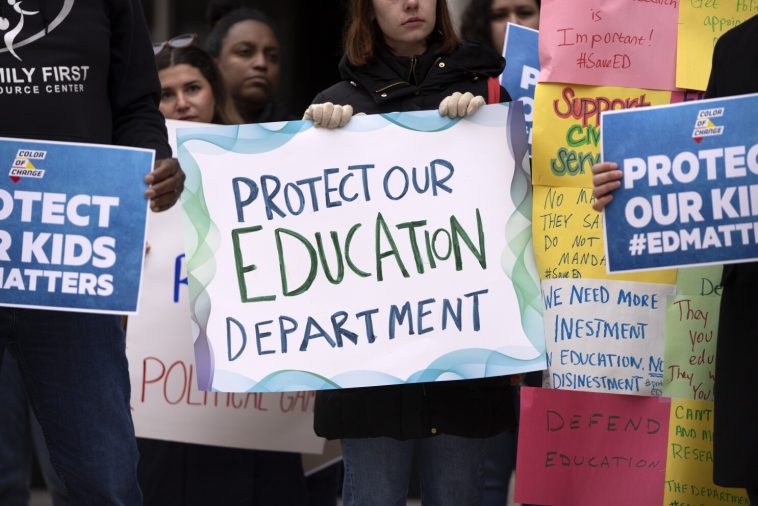
Preserving the Legal Foundations of Special Education
The debate surrounding the enforcement of the Individuals with Disabilities Education Act (IDEA) continues to capture the attention of educators, advocates, and policy makers across the nation. Recently, a group of U.S. Senators led by Tim Kaine voiced deep concern regarding the reported efforts by the Trump Administration to shift responsibilities for enforcing IDEA away from the U.S. Department of Education. This move, if carried out, would upset a system that has long helped secure equal education opportunities for students with disabilities.
At the heart of the discussion is the assertion that the current approach—placing the enforcement of IDEA within the Department of Education instead of the Department of Health and Human Services—was intentionally designed to treat children with disabilities not as patients but as individuals with the right to equal educational opportunities. Many believe that any attempt to dismantle or transfer this responsibility could reverse decades of progress and create more confusing bits and tangled issues in an already complicated structure.
Why the Department of Education’s Role is Essential
Historically, the creation of the U.S. Department of Education coincided with the implementation of landmark policies that recognized the unique educational needs of students with disabilities. Lawmakers deliberately placed the enforcement of IDEA within this department as a recognition of the super important role a well-structured educational framework plays. By keeping IDEA within the Department of Education, Congress acknowledged that special education should be treated as a key part of broader civil rights rather than merely as a subset of health or social services.
This carefully planned structure has supported millions of students with disabilities by ensuring they have access to the quality education they deserve. Changing this arrangement now, according to opponents, risks undermining the expertise and infrastructure built up over half a century of dedicated policy-making and advocacy.
Understanding the Current Policy Framework
The U.S. Department of Education has long held the responsibility of enforcing IDEA because it provides consistent oversight and accountability measures. The move to shift enforcement duties is seen not only as an administrative tweak but as a potential paradigm shift that could introduce a range of unintended consequences. Critics note that such a transition may lead to:
- Loss of specialized expertise related to the unique educational needs of disabled students
- Weakened accountability measures at both state and federal levels
- The creation of additional confusing bits and tangled issues within school systems
- Potential delays in addressing critical support deficits for children with disabilities
This list reflects some of the key concerns voiced by legislators and advocacy groups, who worry that the transfer might dilute the rigorous oversight that has characterized IDEA administration for decades.
Historical Context and Legislative Intent
To fully appreciate the criticisms of the proposed administrative changes, it’s important to take a closer look at the historical context. When Congress first created and empowered the U.S. Department of Education, one of the guiding principles was that students with disabilities should be seen as individuals with a right to learn independently and not as second-class citizens. Significantly, the more intimate details regarding IDEA’s placement under the department were the result of extensive debate and negotiation, aimed at establishing a system that would safeguard the rights of a vulnerable population.
In this sense, lawmakers deliberately designed this structure to avoid the pitfalls that might occur if enforcement were absorbed into the broader, and often more complicated, realm of health and human services. The decision underscored the belief that education represents a critical right—a view that continues to motivate many of today’s policy defenders of IDEA.
The Legislative Journey of IDEA
Legislation related to IDEA has evolved over the years, with numerous amendments designed to enhance protections and funding for special education. Some of the recent legislative actions in this area include:
- Protecting Students with Disabilities Act: Introduced to ensure that special education programs remain within the Department of Education.
- Charting My Path to Future Success Act: Aimed at restoring federal funding designed to support students with disabilities as they transition to adulthood.
- IDEA Full Funding Act: Legislation intended to guarantee that Congress fulfills its promise by providing full federal funding for IDEA.
Such bills not only bolster the existing framework but also reinforce the idea that shifting responsibilities or dismantling established programs could throw a wrench into a system already juggling many tricky parts. The recent reported efforts to transfer IDEA responsibilities have raised genuine concerns among lawmakers that the legacy and achievements of IDEA might be jeopardized.
Examining the Reported Administrative Changes
Recent media reports indicate that the Trump Administration was contemplating moves to shift IDEA oversight from the U.S. Department of Education to another federal agency. According to a detailed letter penned by Senators including Tim Kaine, the proposed shift would be done “illegally” and would move crucial responsibilities away from a department with extensive experience in handling the fine points of special education.
Critics argue that such changes could have several unpredictable effects, including:
- Uncertainty about the legality: Legislators question the authority behind such a move, underlining that Congressional intent was clear when IDEA was settled under the Department of Education.
- Reduced expert oversight: The department in question has specialized offices such as the Office of Special Education and Rehabilitative Services and the Office for Civil Rights that ensure compliance and deliver targeted support to students with disabilities.
- Risks of eroding hard-won protections: The gradual dismantling of established programs could lead to diminished services and support for millions of families.
These points form the crux of the senators’ argument and underline the importance of stable and experienced oversight for IDEA. In their letter to U.S. Secretary of Education Linda McMahon, the legislators demanded detailed explanations and supporting documentation to ensure that such a significant change was carefully considered through every step and twist and turn of the process.
Potential Impacts on the Educational Landscape
The implications of such a policy reversal are far-reaching within the educational community, particularly among educators, parents, and students who rely on robust federal support. For many, this isn’t just a bureaucratic reshuffle; it is a serious threat that could upend the carefully balanced system that has been developed over decades.
One of the primary concerns is the risk of fragmented support systems. The Department of Education provides a single point of contact that helps families and districts steer through a system filled with numerous small distinctions. Should responsibilities be transferred, affected parties may find themselves having to figure a path through a series of complex, intimidating, and nerve-racking bureaucratic hurdles.
Moreover, a divided approach could also lead to a potential gap in policy enforcement. The consistency of oversight is critical, and any lapse might result in delays or an overall reduction in the quality and availability of special education services. This would not only burden educational institutions but also spark anxiety among parents who trust the system to deliver on the promises of IDEA.
Educational Institutions and the Loss of Trust
Schools, school districts, and local educators have long relied on the structure provided by the Department of Education to manage and implement special education requirements. With the potential shift of IDEA responsibilities, many fear that these groups might struggle to adjust to a new system that lacks the historical context and specialized focus of the current framework.
The change in management could introduce several challenging pieces that educators would have to grapple with, such as:
- Reconfiguring compliance measures: Schools are accustomed to a set of protocols established over decades, and adapting to new ones may prove both intimidating and off-putting.
- Rebuilding trusting relationships: Trust between educators and federal oversight agencies took years to build; a disruption could undermine collaborative progress.
- Resource allocation issues: Without clear federal guidance, schools may face difficulties in allocating the necessary resources to support students with disabilities, leading to further deficits in educational services.
These risks underscore why many advocates believe that any sudden administrative transition not only complicates an already tangled system but also jeopardizes the well-being of students who trust the system for their future.
Debating the Legality and Congressional Intent
One of the most pressing issues raised by the letter from Senator Kaine and his colleagues is the question of legality. The senators challenged the authority of the Secretary of Education to make such a fundamental change—one that appears to run contrary to the explicit legal framework and intent of Congress when IDEA was established.
The core of this legal debate revolves around several key points:
- Statutory language: The law underpinning IDEA clearly assigns responsibility for oversight to the U.S. Department of Education. Any attempt to shift this duty must confront the exact wording of the statute.
- Congressional intent: The historical record and countless congressional hearings illustrate that lawmakers intended to keep special education responsibilities consolidated in one expert agency.
- Chain-of-command issues: Transferring responsibility to another federal agency could create gaps in communication and oversight, exposing students to potential harm from mismanagement.
Legislators have demanded not just assurances but specific details about the steps taken to reassign IDEA responsibilities. They requested comprehensive documentation describing the legal authority behind such decisions, along with a rigorous analysis of how these changes might improve outcomes for students with disabilities.
Such calls for transparency aim to ensure that any administrative restructuring is not only legally sound but also thoroughly vetted against the historical framework that has served students well for the past 50 years.
Key Questions Raised by Lawmakers
The letter addressed to Secretary McMahon outlines several direct questions intended to hold the administration accountable. The questions reflect both legal and policy concerns and include:
| Question | Concern Addressed |
|---|---|
| What authority under current law supports the movement of IDEA responsibilities? | Legitimacy of the administrative action relative to statutory requirements. |
| What steps have been taken to implement the shift? | Transparency and due diligence in the decision-making process. |
| What analysis supports that this shift would result in better student outcomes? | Evidence-based justification and potential improvements. |
| How have workforce reductions impacted the department’s ability to enforce IDEA? | Impact on practical capacity and efficiency in supporting special education. |
Each of these questions aims to peel back the layers of a proposal that many see as overly loaded with issues, potentially compromising a system that has long worked to secure educational rights for the disabled community.
Challenges in Transitioning Policy Responsibilities
Moving IDEA oversight to another agency might seem, at least on the surface, like a routine government reorganization. However, in practical terms, this process is loaded with problems and unpredictable consequences. Stakeholders fear that the hidden complexities of transferring responsibilities are far from straightforward and could disrupt the very framework that has ensured the continuing success of IDEA.
Some of the more troublesome pieces of this transition include:
- Institutional knowledge transfer: The Department of Education possesses years of specialized expertise that may not easily be replicated or transferred.
- Operational disruptions: Reassigning responsibilities can result in gaps in enforcement and delays in addressing students’ needs.
- Interagency coordination: If oversight is split across agencies, communication protocols will need to be rebuilt from scratch, and this could result in further delays and misunderstandings.
The senators argue that instead of embarking on such a nerve-racking reorganization, the Administration should put its efforts toward reinforcing and improving the Department’s existing infrastructure. In doing so, it would be supporting a system that is already designed to allocate resources, manage compliance, and provide essential services efficiently.
Potential Consequences of Reallocation
The reallocation of IDEA enforcement responsibilities could lead to several unintended consequences. These risks include:
- Inconsistent application of the law: A diversified oversight system might lead to variations in how federal mandates are interpreted and applied locally.
- Increased administrative confusion: Families and educators who have learned to navigate the current system could find themselves facing additional hurdles, making it harder to figure a path through the bureaucratic maze.
- Reductions in funding and support: An unstable administrative structure might result in reduced confidence among Congress and could potentially influence future funding decisions, jeopardizing the long-term viability of special education programs.
These outcomes have led many to voice their concerns not only in legislative halls but also in public forums, where stakeholders like teachers, parents, and advocates continue to push for a stable, unified structure that champions the rights of students with disabilities.
Impact on Students with Disabilities and Their Families
At the center of every policy discussion should be the individuals who are most affected by these decisions. For students with disabilities and their families, the stability and clarity of IDEA enforcement is more than just a bureaucratic matter; it is the foundation upon which hope, opportunity, and progress are built.
Families have long relied on the Department of Education to provide a trusted and consistent pathway to quality education. Many worry that shifting IDEA responsibilities will jeopardize not just the bureaucratic process but also the quality and consistency of support that has been meticulously nurtured over decades.
For a family navigating the sometimes overwhelming and intimidating twists and turns of special education, having a centralized, knowledgeable authority is invaluable. The prospect of dealing with multiple agencies—each with its own set of rules and procedures—only adds to the nerve-racking experience of trying to secure the necessary educational services for a child with disabilities.
Real-Life Implications for Students and Educators
When we talk about educational rights and responsibilities, it is critical to understand the real-life implications that policy changes can trigger. Consider some of the following scenarios:
- Delayed interventions: In a system where oversight is muddied by interagency transfers, prompt intervention for students in need might be delayed.
- Inconsistent support across regions: Different states or school districts might adopt separate interpretations of the new oversight structure, leading to unequal support for students with disabilities.
- Increased administrative burdens: Educators and administrators may find themselves having to spend more time on bureaucratic compliance rather than focusing on classroom teaching and student development.
Such issues not only strain the educational institutions but also place a significant emotional and logistical burden on families already dealing with complicated pieces of everyday life. The potential shift in IDEA oversight is therefore seen as not merely a change in administration, but as a threat that could compromise the progress made in building a system that has significantly improved educational outcomes for disabled students over the past 50 years.
Calls for Transparency and Accountability
In response to the reported administrative actions, lawmakers have been quick to call for greater transparency. The letter addressed to Secretary McMahon is not just a criticism—it is a call to action for accountability in how federal policies are developed and implemented. By demanding detailed answers regarding the legal basis for the proposed changes, the senators are urging the administration to provide a clear, documented explanation that can be scrutinized by both the public and Congress.
This insistence on transparency is critical in an era where changes to policies can have far-reaching effects on every level of government and public life. The senators’ queries include:
- What explicit legal authority supports the move of IDEA responsibilities?
- What concrete steps have been taken to reassign these duties?
- What analysis was conducted, and how does it demonstrate that such an administrative change would lead to better outcomes for the students?
- How will the reduction in staffing at key offices, like the Office of Special Education and Rehabilitative Services, impact the department’s capacity to fulfill its duties under IDEA?
These questions are not meant to be adversarial but to ensure that any shift in policy is rooted in sound legal reasoning and practical benefits. The move to restructure IDEA enforcement must be carefully weighed against the potential for creating new, overwhelming challenges for thousands of students and their families.
Importance of Detailed Policy Analysis
Given the stakes, it is clear that any attempt to reassign IDEA responsibilities requires not only legal justification but also a thoughtful consideration of all the small distinctions that define current practices. An in-depth analysis should address:
- The potential benefits of reallocating resources and administrative tasks.
- The possible risks associated with diluting specialized expertise.
- An honest assessment of the costs—both fiscal and human—that could emerge if the transition is mishandled.
- Clear strategies for mitigating any adverse effects on the delivery of services to students with disabilities.
Only with such detail can policymakers hope to strike a balance between the intended benefits of administrative restructuring and the very real concerns of disruption and diminished accountability.
Recommendations for Effective Policy Implementation
As the debate over IDEA oversight continues to unfold, several recommendations have emerged from educators, advocacy groups, and legislators alike. The focus is on finding ways to ensure that the transition—if it must occur—is handled in a manner that safeguards the interests of students with disabilities while reinforcing the infrastructure of special education.
Some key recommendations include:
- Maintain central oversight: Keep IDEA enforcement functions consolidated within an organization that deeply understands the unique needs of students with disabilities.
- Enhance communication channels: Ensure that any changes in policy are communicated clearly to schools, educators, and families, reducing the chances of miscommunication and bottlenecks.
- Invest in administrative capacity: Rather than reassigning responsibilities, invest in rebuilding and strengthening current departments to better manage the evolving challenges of special education.
- Conduct comprehensive impact studies: Before any policy is finalized, carry out rigorous analyses to understand the potential short- and long-term effects of administrative changes on support and funding.
Adopting these strategies could help steer through the maze of bureaucratic twist and turns that often accompany significant policy shifts, ensuring that the changes lead to enhancements rather than setbacks in special education.
Practical Steps for Lawmakers and Advocates
For policymakers, the immediate priority should be to address the current queries raised by the senators and to provide the necessary documentation that outlines the legal, financial, and operational impacts of shifting IDEA oversight. A practical way forward might include:
- Setting up bipartisan committees to review the proposed changes from every fine shade of perspective.
- Engaging with stakeholders—educators, school administrators, parents, and advocacy groups—to gather input on the likely impacts of any policy shift.
- Developing transitional plans that ensure no disruption occurs in the educational services provided to students with disabilities during the restructuring process.
- Reaffirming the importance of consistent and expert oversight for IDEA in public communications and legislative debates.
These steps can help ensure that any policy reforms do not simply become a reorganization of duties but rather a thoughtful improvement of existing systems toward a more equitable future for all students.
Looking Ahead: The Future of Special Education Policy
As the nation marks the 50th anniversary of the Individuals with Disabilities Education Act, the discussion around shifting its enforcement responsibilities has taken on added symbolic significance. This milestone provides an opportunity to reflect on the progress achieved through decades of innovative policy-making and advocacy while also confronting the challenges posed by current administrative proposals.
The future of special education will likely continue to be a central issue in federal policy discussions. Observers note that the success of IDEA over the years is a result as much of steadfast commitment as it is of carefully calibrated administrative planning. Any attempt to radically shift these responsibilities must ultimately prove that it can match or exceed the outcomes achieved by the current structure.
Looking ahead, several key priorities emerge as crucial for the ongoing success of special education in the United States:
- Maintaining a unified vision for education: All students, regardless of their abilities, must have equal access to quality education under a system that is both flexible and robust.
- Upholding legal mandates: Ensuring that any changes to policy are in strict accordance with the law and congressional intent has never been more critical.
- Investing in research and development: Continued investment in understanding what works—and what does not—in special education is key to refining practices and policies for the benefit of every student.
- Fostering community involvement: The voices of educators, parents, and advocates must be heard and integrated into policy decisions to ensure that all perspectives are considered.
These points offer a clear roadmap for moving forward in a way that is both respectful of IDEA’s storied legacy and responsive to the evolving needs of today’s students and educators.
Ensuring Continuous Communication and Collaboration
For policymakers and education leaders, one of the most super important aspects of any transition is keeping communication channels open. Regular consultations, briefings, and public comment opportunities are essential to managing this transition effectively. Maintaining a dialogue between federal agencies and local educational institutions helps ensure that every small twist or subtle detail is addressed before it becomes a larger issue.
Moreover, collaboration between government bodies, educators, and community groups can transform what might otherwise be an overwhelming reorganization into a cooperative effort that reinforces trust and transparency. The goal is not to create additional nerve-racking challenges but to build a framework that is equipped to support the continuous growth and evolution of special education policies.
Conclusion: A Call to Protect Decades of Progress
In conclusion, the reported efforts to shift IDEA oversight away from the U.S. Department of Education have stirred up considerable debate among lawmakers, educators, and advocates alike. While the administration’s arguments for change hint at a desire for improved operational efficiencies, the inherent risks associated with such a move are significant enough to warrant serious reflection.
The history of IDEA is a testament to what can be achieved when policies are designed with care for the unique educational needs of all students. Maintaining the current structure has helped convert many overwhelming challenges into manageable, although sometimes intimidating, realities for families and educators alike. In this context, the call to preserve the department’s role in enforcing IDEA’s mandates is not simply about protecting bureaucracy—it is about ensuring that every student with a disability has the opportunity to succeed.
As debates continue, it is essential for all stakeholders to remember that policy decisions are not made in isolation. Every regulatory twist and every administrative turn affects real lives. The senators’ letter, filled with tough questions and clear concerns, serves as a reminder that each small decision contributes to the larger journey of educational equity.
Our educational system is built on the dedication of countless individuals and the careful work of policy makers who understand that there are no easy shortcuts when it comes to safeguarding the rights of vulnerable students. Whether through legislative acts like the IDEA Full Funding Act or the Protecting Students with Disabilities Act, efforts to ensure consistent and expert oversight remain the cornerstone of progress.
At a time when policy shifts can trigger nerve-racking uncertainty, it is crucial to base changes on thorough legal analysis, transparent communication, and a shared commitment to the well being of our students. Only by carefully managing the reallocation of responsibilities and keeping the best interests of students with disabilities at the forefront can we continue to build on the solid foundation that IDEA has provided over the last 50 years.
This ongoing dialogue among senators, educators, and community leaders is more than just a political debate. It is a call to protect decades of progress and to ensure that the little details—those subtle parts that make a big difference—are not lost amid shifting administrative priorities.
By reaffirming our commitment to a unified, expert-led approach to special education, we can continue to provide the transparency, support, and accountability that are essential to making sure every child, regardless of ability, gets the quality education they deserve. The decisions made in Washington today will undoubtedly shape the educational experiences of tomorrow, and it is our responsibility to ensure that those decisions are informed by history, guided by well-founded principles, and implemented with the utmost care and dedication.
Originally Post From https://www.kaine.senate.gov/press-releases/kaine-colleagues-call-out-trump-administrations-illegal-move-that-harms-students-with-disabilities
Read more about this topic at
Trump Administration Threatens Support for Children With …
Special education at a crossroads: What should the federal …