Assessing the Impact of Recent Staffing Cuts at the Office of Special Education
The recent move by the Trump administration to fire nearly all employees at the U.S. Department of Education’s Office of Special Education and Rehabilitative Services (OSERS) has sparked widespread concern across the educational community. With a history steeped in protecting the rights of over 7.5 million students with disabilities, this decision raises many tricky parts regarding the future of federal oversight and the safeguarding of disabled students’ civil rights.
Many experts believe that such sweeping staffing reductions could directly affect the administration of billions of federal dollars and vital support programs. With tough twists and turns ahead, it is important to take a closer look at how these off-putting changes might affect key services, state oversight, and the delicate balance of accountability long championed by OSERS.
Understanding OSERS and Its Role in U.S. Education
OSERS has long been a cornerstone in ensuring that states provide a “free and appropriate public education” to students with disabilities. Tasked with distributing billions of dollars, the office not only funds from early childhood intervention through postsecondary education but also provides essential oversight to ensure compliance with federal disability rights laws.
The Mission and Responsibilities of OSERS
At its core, OSERS is built around two critical functions:
- Disbursing federal IDEA funds that cover costs for special education services such as speech therapy, assistive technology, and early intervention programs.
- Monitoring state compliance with the Individuals with Disabilities Education Act (IDEA), including evaluating student data and ensuring that local education agencies provide services in the least restrictive environments.
These functions are not simple or straightforward; they involve managing subtle details and hidden complexities that can determine the service quality provided to millions of students. Without proper staffing and oversight, a myriad of challenges may arise, leaving states less capable of ensuring that every disabled student receives the support they deserve.
The Importance of Monitoring and Accountability
OSERS’ oversight role includes analyzing critical information such as the number of children receiving services and their educational progress. By doing so, it becomes possible to identify when a state might be straying from federal requirements. This kind of data analysis involves not only a close look at individual cases but also aggregating large sets of state-level data, a process that is both nerve-racking and essential for maintaining quality education standards for disabled students.
For example, if a state’s reported data signals that local school districts are not providing services in the least restrictive environment, OSERS can initiate an investigation. These checks are a super important mechanism for protecting disabled students and upholding their right to a proper education.
Implications for Disabled Students’ Civil Rights
The staffing cuts at OSERS are occurring at a time when disabled students and their families face multiple hurdles, such as cuts to other critical programs like Medicaid and growing concerns about data privacy. With these changes unfolding, it is essential to assess how these measures could leave disabled students without adequate support.
Historical Progress and Ongoing Challenges in Disability Rights
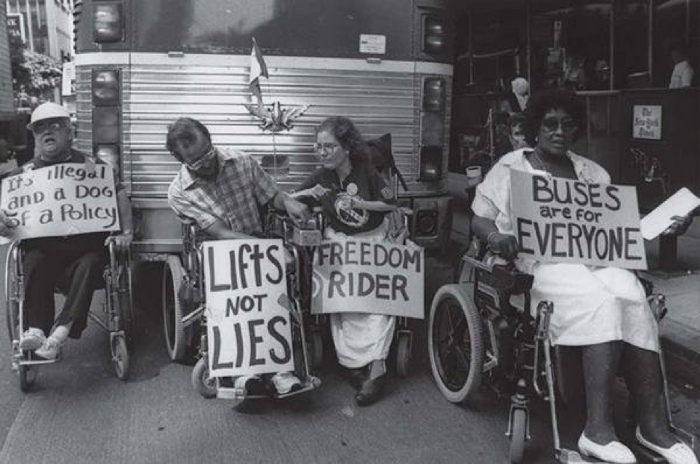
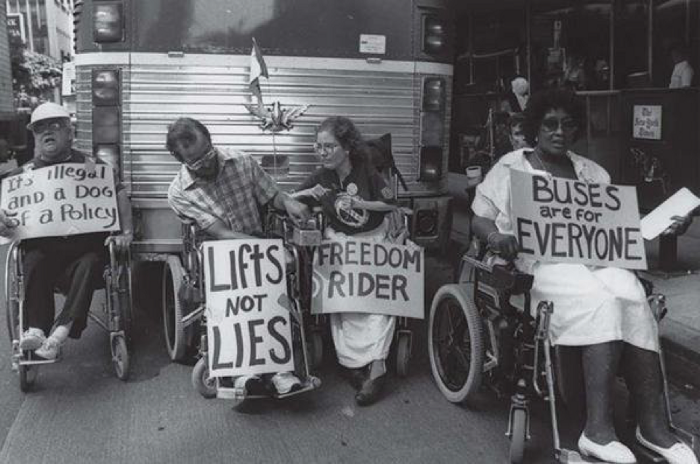
The journey toward equal education rights for disabled students has been long and challening. Prior to 1977, disabled children were often excluded from public schools or placed in separate facilities that did not offer equal educational opportunities. The implementation of Section 504 of the Rehabilitation Act that year marked a significant turning point by granting disabled students the right to equal education.
The progress continued with the passage of the Individuals with Disabilities Education Act (IDEA) in 1990, which guaranteed a “free and appropriate public education” for disabled students. Despite these crucial legal steps forward, challenges remain. Disabled families continue to face tangled issues when accessing housing, healthcare, and employment opportunities, making it even more pressing that federal oversight remains intact.
Federal legal protections, while mighty on paper, still do not always translate to equitable access and treatment in practice. The potential reduction in oversight provided by a nearly defunct OSERS could exacerbate these existing problems, leaving disabled students more vulnerable to service gaps and non-compliance at state and local levels.
Impact on Special Education Funding and Support Programs
OSERS currently manages more than $15 billion in IDEA funds allocated to special education services. For thousands of students, especially those with developmental delays or disabilities, early intervention services like speech and physical therapy can be the difference between academic success and significant life-long struggles.
A closer look reveals that out of the total funding, nearly $540 million is designated for children in early intervention programs aged birth to three. These programs are designed to offer a head start by addressing developmental delays before preschool. However, if OSERS loses its capability to manage and distribute these resources effectively due to staff shortages, the operational integrity of these programs is at risk.
The repercussions of such administrative disruption extend beyond financial concerns. Without trained and dedicated staff, local school agencies might struggle to adapt to federal requirements, potentially leading to violations of federal disability rights laws. The lack of oversight may also lead to delays in identifying areas where funds could be better allocated to serve disabled students, creating a feedback loop of missed opportunities for intervention and support.
Federal vs. State Oversight: The Tug-of-War Over Accountability
The situation at OSERS is emblematic of the broader debate between federal oversight and state responsibility. While federal oversight ensures that states meet minimum requirements, state-level management is crucial in tailoring solutions to the specific needs of local communities. The following table summarizes the roles and potential challenges associated with both federal and state oversight systems:
| Aspect | Federal Oversight (OSERS) | State Accountability |
|---|---|---|
| Funding Distribution | Manages billions of dollars to support nationwide compliance | Customizes split of funds based on local needs |
| Policy Enforcement | Ensures adherence to IDEA through regular monitoring | May lack resources for regular data collection and review |
| Immediate Intervention | Can initiate investigations if compliance issues arise | Relies on limited local data; may require external support |
This tug-of-war presents its own set of tricky and tangled issues, where a diminished federal role might leave states struggling to find their way through making sure all disabled students get the services they need.
Bridging the Gap: State and Local Strategies to Support Disabled Students
In anticipation of further federal retrenchment and amid fears of reduced oversight, state and local leaders, along with nonprofit organizations and advocacy groups, appear increasingly ready to step in and fill the vacuum. The current situation calls for creative strategies and prompt actions to support families and school districts in ensuring service continuity for disabled students.
Enhancing State-Level Capacity
State leaders can significantly mitigate the ramifications of federal staffing cuts by increasing their own capacity to respond to the needs of disabled students. Some immediate measures include:
- Creating dedicated state offices or task forces that specialize in special education oversight.
- Training state education personnel to manage and analyze pertinent student data effectively.
- Allocating additional state funds to support programs that cover special education and early intervention services.
By reinforcing these state-level supports, policymakers can ensure that critical aspects of service delivery are maintained even in the absence of full-fledged federal oversight.
Strengthening Community and Nonprofit Partnerships
Local communities and nonprofit organizations stand as powerful allies in addressing the gaps left by staffing cuts at OSERS. These groups can offer support and resources to families, especially when navigating the sifting details of legal rights and educational requirements. To maximize their impact, the following strategies can be implemented:
- Partner with established advocacy organizations to disseminate information on families’ rights and available assistance channels.
- Develop local coalitions or consortia that unite various stakeholders to keep state agencies accountable for meeting IDEA mandates.
- Organize workshops and training sessions for parents and educators to clarify the blueprints of federal special education laws.
Through such collaborative efforts, communities can create a robust network that not only stands watch over the implementation of disability rights, but also offers a lifeline of support for families navigating a sometimes intimidating system.
Utilizing Data and Technology to Track Compliance
One of the less visible yet critical aspects of OSERS’ work involves data collection and monitoring. Effective oversight requires detailed and reliable data on key indicators, such as graduation rates, student discipline statistics, and the overall effectiveness of service provision. Here are some ways state leaders and local agencies can better manage these tricky data bits:
- Implementing user-friendly data tools: Leveraging modern technology to create dashboards that offer real-time insights into school district performance.
- Investing in training programs: Ensuring that local education staff are proficient in data analysis and can steer through the intricate details of compliance tracking.
- Creating partnerships with research organizations: Collaborating with local universities and think tanks to conduct in-depth analyses on the state of special education services.
These strategies are not only essential for immediate corrective action but can also cement a longer-term culture of accountability and continuous improvement within the education system.
Protecting the Rights of Disabled Students Amid Uncertainty
The larger picture that emerges from this controversial decision is one of vulnerability. With disabled children and their families already stressed by cuts to vital programs, the disruption at OSERS threatens to further erode the support network that many depend on to receive proper education and resources.
Historical Lessons and Current Challenges
Reflecting on history, one can see that the fight for disabled students’ rights has always been laden with obstacles. The progress made since the introduction of Section 504 in 1977 and IDEA in 1990 represents hard-won victories—gains that are now at risk of being undermined by policy rollbacks and reduced federal capacity. Even as disabled individuals have finally begun to claim their right to learn, work, and live fully in their communities, the system remains loaded with challenges that require immediate address.
Some of the following points capture the small distinctions between past protections and current shortfalls:
- Before these federal protections, disabled children were often shunted aside or segregated, receiving a fraction of the educational opportunities available to their peers.
- Now, despite progress, data privacy concerns and cutbacks in ancillary programs continue to pose serious issues for families who already find the system overwhelming.
- While OSERS has traditionally played a crucial role in interpreting fine points of disability rights, the sudden removal of experienced staff creates a gap filled with guessing games and potential noncompliance.
Without robust federal oversight, state and local authorities must pick up the slack to ensure that affected children do not lose the safety net that newer laws were designed to ensure.
The Risk of Legal Action and Unequal Access
One of the more concerning outcomes of the OSERS staffing cuts is that the families of disabled children may soon have no choice but to resort to legal action if they suspect their child’s rights have been compromised. This shift toward legal recourse can have a disproportionately negative impact on families who are less able to afford private legal representation.
In the absence of a strong federal institution to guide and intervene, the already intimidating process of proving non-compliance with federal mandates can become nerve-racking for many. This could create a scenario where only families with deep pockets are able to secure the necessary support, leaving others at risk of receiving substandard educational provisions.
Such a reality underscores the need for broader systemic changes, including better state funding mechanisms and more active local advocacy to ensure that justice and fairness remain accessible for all disabled students.
Charting a Course for Future Policy Solutions
Looking into the future, addressing the problems posed by the current federal retrenchment requires a multi-pronged strategy that involves immediate steps and long-range planning. This section outlines a blueprint for policymakers, educators, and advocates who are committed to safeguarding disabled students’ rights.
Immediate Steps for State and Local Leaders
In the short run, it is crucial for state and local agencies to act quickly in response to the federal staffing cuts. Here are some immediate actions that could mitigate the potential fallout:
- Establish a dedicated hotline: Set up state-run phone lines or online platforms specifically for parents seeking assistance with special education concerns.
- Centralize data collection: Develop centralized systems for gathering and analyzing data on disabled students, which can then be shared among local education agencies.
- Increase communication channels: Work collaboratively with schools to ensure that families are kept informed about any changes in support or legal guidance.
- Provide temporary funding boosts: Allocate emergency state funds to cover gaps in special education and early intervention programs while federal mechanisms are in flux.
These actions, though they may seem like quick fixes, are essential for ensuring that disabled students do not experience a sudden gap in the services they rely on.
Long-Term Strategies for a Resilient Special Education System
While immediate interventions are necessary, long-term planning is equally important to build a resilient system that can weather future disruptions. Here are several long-range strategies that policymakers and advocates can adopt:
- Enhance state oversight capabilities: Develop permanent structures within state education departments that can mirror the oversight functions traditionally handled by OSERS.
- Establish permanent partnerships: Foster long-term collaborations between states and nonprofit organizations to monitor, report, and intervene in cases of noncompliance.
- Innovate through technology: Invest in technological solutions that allow for real-time data analysis and improve the transparency of special education funding and outcomes.
- Advocate for legislative reform: Push for laws that make state-level protections more robust so that even in the absence of full federal support, disabled students’ rights remain secure.
- Empower parents and educators: Organize training sessions and create resource centers so that those on the front lines are fully aware of their rights and the available recourse options.
By implementing these measures, states can develop a more sustainable approach to managing the challenges posed by any future federal cutbacks. This proactive planning will help ensure continuity of services and safeguard the education rights of countless disabled students.
The Role of Advocacy and Community Engagement
Without a doubt, local advocacy and community engagement are critical components of any long-term strategy to support disabled students. Here are some specific actions that can help keep momentum on ensuring equal education:
- Form Special Education PTAs: Encourage parents to gather into groups that can work with school boards to advocate for increased funding and better services in special education.
- Organize Community Forums: Host regular town hall meetings and informational sessions to discuss policy changes, share best practices, and identify service gaps.
- Create Regional Advocacy Coalitions: Bring together local government officials, educators, parents, and nonprofit leaders to examine the state of special education and to propose concrete improvements.
- Lobby for Increased Funds: Work with state legislators to ensure that budgets reflect the true costs of delivering a free and appropriate public education.
Collectively, these efforts can help maintain a robust chain of accountability that transcends the limitations of fluctuating federal engagement.
Finding a Path Forward in a Time of Uncertainty
This moment of federal retrenchment stands as a pivotal test of our nation’s commitment to equitable education. Disabled students, who rely on a delicate balance of services, stand to be the most affected by the current staffing cuts at OSERS. With federal oversight under threat, the responsibility now shifts to state and local leaders, as well as community and nonprofit partners, to take decisive action.
Guiding Principles for Policy Makers
To steer through the confusing bits and tangled issues brought on by the current crisis, policymakers at all levels should keep the following guiding principles in mind:
- Accountability: Ensure there are clear systems in place for monitoring the use of funds and adherence to legal standards.
- Transparency: Maintain open lines of communication with families, educators, and community stakeholders about shifting policies and available resources.
- Collaboration: Encourage inter-agency and cross-sector partnerships that can leverage collective expertise to address gaps in oversight and support.
- Flexibility: Recognize that local needs may vary widely and allow for tailored strategies that address specific regional requirements.
These principles can serve as a roadmap to help state and local leaders figure a path through not only the current staffing crisis but also future policy challenges.
Opportunities for Systemic Reforms
The ongoing crisis also presents an opportunity to reflect on and reform the ways in which policy is implemented at all levels of government. By addressing the off-putting gaps in our education system now, we can help build structures that are better prepared for future challenges. This might involve:
- Revisiting federal mandates to ensure that states have both the authority and the resources to enforce compliance independently.
- Encouraging innovation through public-private partnerships designed to create efficient data sharing and monitoring systems.
- Enhancing training programs for educators and school administrators so that they are well-equipped to manage the fine points of special education compliance.
In this environment, every stakeholder must commit to investing in both immediate solutions and systemic reforms that will fortify the rights of disabled students for years to come.
Conclusion: A Call for Unity and Action
The upheaval caused by the sweeping staffing cuts at OSERS is more than just a bureaucratic change—it is a pivotal challenge that puts the civil rights of disabled students squarely on the line. With billions of dollars at stake and the futures of over 7.5 million students in the balance, the need for swift and careful action is undeniable.
The intricate web of responsibilities—ranging from funding distribution to federal oversight, from data analysis to community engagement—requires both quick fixes and long-term strategies. It falls to state and local leaders, educators, and dedicated advocates to step in where federal support wanes, using creative, collaborative approaches to ensure that disabled students continue to receive the free and appropriate public education to which they are entitled.
By strengthening state capacity, forging partnerships with nonprofits and community groups, and utilizing the latest technology to track compliance, we can work through the confusing bits and nerve-racking challenges of this transition. In doing so, we not only protect the rights of disabled students today but also lay the groundwork for a more resilient educational system in the future.
Now is the time to take action. Let us rally together, drawing upon past successes and our collective expertise, to build a future where every child has the opportunity and necessary support to thrive. Amid these uncertain times, our shared commitment to education as a fundamental right must guide us toward reforms that honor both the history of progress and the promise of a more inclusive tomorrow.
For the sake of our disabled students and the integrity of our education system, we must approach the coming months with both urgency and careful planning. It is not merely a political or administrative matter; it is a deeply human one. We owe it to our children, their families, and our society to ensure that no student is left behind due to oversight gaps or administrative shortcomings.
In conclusion, while the current environment is full of problems and nervous uncertainties, it also presents us with an essential opportunity to reimagine and rebuild our approach to special education. By working together—across federal, state, and local lines—we can develop the strategies needed to secure the educational rights of every disabled student, safeguard their futures, and preserve the hard-won civil rights that are the foundation of our democratic society.
Let this be a call to action for legislators, educators, advocates, and community leaders. The time to secure the future for disabled students is now. With determination, innovation, and commitment, we can overcome the tangled issues before us and build a system that truly leaves no one behind.
Originally Post From https://www.urban.org/urban-wire/threat-staffing-cuts-eds-office-special-education-puts-disabled-students-civil-rights
Read more about this topic at
The Trump Administration’s War on Disability
Trump’s DEI Undoing Undermines Hard-Won …