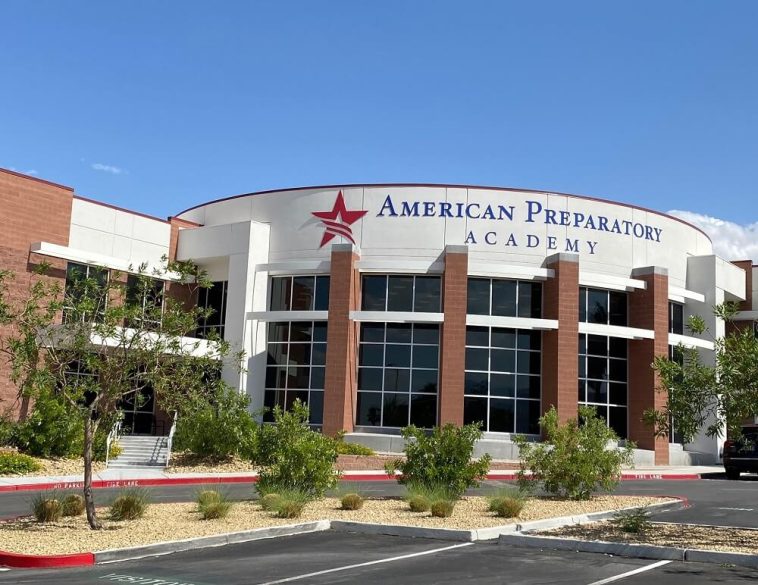

Wyoming Charter School Controversy: Addressing a Growing Community Need
In the small, fast-growing town of Alpine, Wyoming, a heated educational debate has emerged around a proposed charter school that was meant to alleviate long commutes and limited educational options for local families. The proposal, spearheaded by the Utah-based American Preparatory Academy (APA), has become a flashpoint in a community already strained by everyday challenges. With parents juggling long drives and businesses striving to keep up with rapid population growth, the arrival of a school was seen as a potential panacea for local frustrations. However, what initially appeared as a hopeful solution soon spiraled into an issue loaded with problems and divided opinions over the right approach to local governance and education.
Alpine, a bedroom community near Jackson known for its scenic beauty and outdoor lifestyle, has long faced challenges related to the lack of a local school. Children are forced to endure long and tiring travels from one district to another, leaving little time for family life and extracurricular activities. Coupled with the intimidating reality of parents’ stretched schedules, the need for a local, accessible school was becoming indisputable. But when the town received approval for a charter application from APA—a school known for its conservative values—the debate quickly intensified.
Community Perspectives: Long Commutes and Local Educational Challenges
Residents of Alpine have experienced firsthand the grueling schedule caused by the extensive distance to the existing schools in neighboring towns. For many families, mornings begin in the early hours before dawn, and evenings see the return of tired children after lengthy bus rides. This all-day commute isn’t just inconvenient; it also compromises academic performance and the well-being of young students.
The everyday struggles have led community members to rally for change. Parents, educators, and even local government officials share a common goal: to find a way to bring education closer to home, thereby ensuring that children grow up in an environment that nurtures community spirit and well-rounded development. As one lifelong resident poignantly noted, it’s not only about saving time—it’s about creating a sustainable community where residents remain rooted and engaged.
Table 1 below summarizes the commuting challenges that Alpine families face:
| Challenge | Description |
|---|---|
| Early Departures | Children leave home well before sunrise to catch early school buses. |
| Extended Travel Times | Some families face up to two hours of travel each way. |
| Disconnect from Community | With children spending most of the day away from home, fostering local engagement becomes difficult. |
Political and Educational Divisions: A Tale of Two Approaches
The Alpine town charter school initiative turned contentious when APA’s proposal began to expose a deep rift. On one side were proponents who saw the charter school as a key breakthrough that would eradicate the daily hassles of long commutes and entrench families within the local fabric. These advocates argued that a nearby school would not only offer convenience but also enhance community identity.
On the opposite side, critics raised significant concerns about APA’s history, administrative decisions, and the potential influence of conservative values on the curriculum. They questioned whether APA’s approach—emphasizing structured classical education and patriotic themes—might signal an off-putting political slant that is not ideally suited for Alpine’s diverse demographic realities.
In community meetings, voices could be heard from every corner. While some residents cited the benefits of a curriculum that focused on small distinctions in academic rigor and character development, others worried that hidden complexities in APA’s pedagogical methods could foster divisiveness rather than unity.
Examining the Educational Proposal: APA and Its Political Tints
The proposal put forward by APA promised a classical education model where students would not only wear uniforms and learn cursive at an early age but also study subjects like Latin. This structured, disciplined environment was marketed as a beacon of academic excellence and personal responsibility. APA’s program was built on a tradition that many parents found appealing, especially those who had experienced the taxing lengths of bus commutes in the past.
However, the choice of APA soon came under scrutiny. Critics quickly pointed to several red flags including a history of lawsuits, allegations of racial insensitivity, and the propagation of language that could be seen as leaning toward far-right political ideology. For educators and parents such as Heather Goodrich, these were not trivial issues. Goodrich and others were concerned that the focus on traditionalism might exclude diverse viewpoints and slow down critical thinking about modern societal issues.
Furthermore, detractors from the mayor’s education committee reminded the community to consider the subtle parts and hidden complexities of what it means to shift from a traditional public school model to a charter system administered by an external provider. They argued that the implementation of big political ideas in a small town might lead to unintended consequences, leaving few residents with a clear understanding of the fine details involved.
Political Dynamics in a Small Town: Voices from Alpine
The community’s response to the APA proposal has been mixed, exposing stark contrasts in opinion. Many local advocates believe that the introduction of a charter school could serve as a solution to economic and educational challenges. Real estate agents like Shay Scaffide, who also serves on the town council, emphasized that this issue was super important to the town’s future. According to Scaffide, “It feels like every effort to address our educational needs is met with counterclaims that make us look anti-progress.”
Others have been vocal in pointing out that the contentious atmosphere is making the process nerve-racking for all involved. Town meetings have frequently degenerated into sessions where heated arguments replace productive dialogue. As public trust becomes fractured, the community is forced to confront the reality that even issues with a direct impact on their daily lives can spiral into full-blown political and educational debates.
Below is a bulleted list of the main concerns expressed by residents:
- Uncertainty about APA’s educational approach and its political implications
- Discomfort with what many see as an overtly conservative curriculum
- Fears that APA’s history of legal challenges could negatively affect the school
- Questions over the long-term financial and administrative viability of leasing town land
- Concerns from local airpark residents regarding potential safety issues
The Challenge of Finding a Balanced Educational Approach
One difficult aspect of this debate is reconciling the need for improved local education with concerns about potential ideological overtones. While it is evident that a local school would ease the logistical burdens on Alpine families, the question remains: How do you build an institution that serves the entire community without alienating or marginalizing any group?
Supporters of the charter school believe that a rigorous, classical education model can be a unifying force—a point that is especially persuasive given the context of a town that has grown rapidly but remains deeply connected to its heritage. Nonetheless, those on the opposing side argue for an approach that is more inclusive, culturally responsive, and free from overt political messaging.
This scenario is a classic example of working through tangled issues in educational reform. In order to address the town’s long-standing needs while balancing varied community perspectives, the decision-makers are now caught in a loop of seemingly endless considerations. Determining the right balance between academic rigor and inclusive education requires finding your way through a maze of potential pitfalls.
Legislative Shifts and the Future of Charter Schools in Wyoming
Over the past few years, Wyoming has been slowly leaning toward greater support for school-choice initiatives. Recent legislative changes have opened up new avenues for charter school approvals, and Alpine’s experience is now being seen as a litmus test for the future of such educational innovations in the state. Initially, charter schools in Wyoming could only be approved through traditional school districts. In 2023, however, the state legislature established a board that could authorize charters independently, a move that was intended to spur innovation in education.
This regulatory shift, while promising, has not been without its challenges. When APA was originally selected as the provider for Alpine’s charter school, it was operating in an environment where its controversial reputation made many skeptical. Although legislative changes provided a pathway for APA’s approval in 2024, concerns over administrative oversight, enrollment numbers, and the role of local government in the charter’s operations continue to spark debate.
The current challenge—navigating the political twists and turns of community approval while adapting to new regulatory frameworks—illustrates the complicated pieces of scaling school-choice initiatives in areas where local context and political leanings are deeply intertwined. At its core, the debate is less about the concept of school choice and more about determining how best to serve the specific needs of Alpine’s families.
Balancing Community Aspirations and Fiscal Realities
For many Alpine residents, the promise of a charter school is seen as a potential catalyst for future community growth. A local school would not only shorten commutes but also provide a boost to local businesses, enhance property values, and create jobs. Yet, beneath these positive prospects lie a series of challenging questions related to fiscal management, enrollment projections, and long-term sustainability.
One of the most pressing issues is how to fund the new school. The idea of leasing town-owned land for the school project has been met with cautious scrutiny. Town officials emphasize that before any long-term commitments are made, the community must have a clear picture of the budgetary implications. Concerns abound regarding whether diverting public funds toward a charter school might inadvertently weaken the traditional public school system that has served the region for decades.
To illustrate, consider the following bullet list of fiscal concerns:
- Uncertainty over enrollment numbers and the subsequent allocation of funds
- Potential loss of revenue for traditional public schools if funding is shifted
- Long-term financial commitments required by a lease agreement
- Questions regarding the accountability and transparency of the charter provider
A table summarizing the fiscal trade-offs can help lay out the critical issues:
| Pros | Cons |
|---|---|
|
|
Finding a workable solution requires not only addressing these immediate fiscal issues but also building a structure that is flexible enough to adapt as community needs evolve over time.
Community Engagement in the Decision-Making Process
The process of selecting a charter provider and deciding on how to manage the school’s operations has become a community exercise in getting around political and administrative obstacles. In Alpine, the debate has spurred civic engagement on an unprecedented scale, with meetings filled with impassioned residents vying to have their say. For many, these gatherings represent an opportunity to shape the future of their hometown, even if the path forward is riddled with tension and overlapping interests.
Public sessions saw residents voicing support and fears in equal measure. Proponents argue that a local school is critical to retaining families in the community, while opponents worry that the chosen model might not serve the diverse needs of all residents. The heated discussions have often taken the form of back-and-forth exchanges with council members, where even minor twists in the conversation can lead to impassioned responses.
Below is a list of ways in which community engagement could be strengthened to help steer through these tangled issues:
- Organizing regular town hall meetings to share updates and gather feedback
- Establishing a community advisory board that includes voices from varied backgrounds
- Enhancing transparency in decision-making by outlining clear milestones and expectations
- Facilitating open forums where concerns about fiscal, political, and educational issues can be discussed openly
Ultimately, ensuring that all community members feel heard is super important for reaching a resolution that reflects the collective interests of Alpine’s residents.
Shifting Provider Lines: Reassessing the Charter Proposal
As the debate raged on, mounting pressure forced town officials to consider alternatives to APA. Public outcry over the provider’s reputation and political leanings ultimately led to a decision to move in a different direction. The initial fervor around APA began to give way to calls for an approach that would incorporate broader community input without the heavy baggage of prior controversies.
After months of intense meetings and frayed tempers, the charter board decided to explore another service provider—Academica. This firm, known for its work with Wyoming’s classical academies in Casper and Cheyenne, promised to deliver a comparable educational experience without the politically charged history that many residents felt was incompatible with Alpine’s vision for its future.
The decision to switch providers was not made lightly. It also signaled a willingness on the part of community leaders to adapt their strategies in response to new information and shifting public sentiment. For many, it was a reassuring sign of progress that the town might be able to achieve its goal of a local school without compromising on values that are acceptable to the majority.
This shift highlights one of the many fine shades of working through tricky parts in public policy: sometimes, the best path to take is not the one that was initially set out, but the one that adapts to emerging community needs and carefully weighs all available options.
A Closer Look at the Role of Local Government
The Alpine charter school saga has thrust local government into the spotlight, revealing just how complicated it can be for elected officials to balance community expectations with pragmatic governance. Town officials, including Mayor Eric Green and council members like Shay Scaffide, have had the unenviable task of driving the process while dealing with heated public scrutiny.
Local leaders emphasized continually that decisions of this magnitude are full of problems and require careful thought before moving forward. In one particularly dramatic town council meeting, the board was forced to make a split-second choice about whether to move forward with a time-sensitive opportunity regarding modular school buildings. The urgency of the moment clashed with the need for deliberate decision-making, turning what should have been a procedural decision into a nerve-racking exercise in political pressure.
Highlights from these government challenges include:
- The sudden appearance of new land lease stipulations from the town council, demanding greater transparency and fresh evaluations of school funding.
- The complex interplay between local zoning issues and community safety concerns, especially when discussions around the nearby airpark intensified fears about the potential risks to students.
- Recent revelations about APA’s controversial litigation history that added an extra layer of tension in meetings.
These issues underscore how local governance in a small town can be just as fraught with tricky parts and tangled issues as larger political systems. The challenge is to steer through these twists and turns while keeping the community’s best interests at the forefront of each decision.
Understanding the Broader Implications for School Choice
The turmoil in Alpine is not an isolated case—it reflects a broader national debate on the role of charter schools in the modern educational landscape. Supporters argue that charter schools offer flexibility and innovation free from some of the bureaucratic constraints of traditional public schools. They claim that, in communities facing off-putting educational challenges, such as long commutes and limited local options, charter schools provide a critical alternative.
However, critics warn that the shift toward charter schools may sometimes divert essential public funds away from established school systems, which already serve as the backbone for community education. They caution that while alternatives can be essential for meeting diverse needs, they also carry risks when accountability measures and community oversight are not rigorously enforced.
Stakeholders throughout the nation have been forced to get into the debate on what school choice means in practice. The question that remains at the center of the conversation is: How can communities ensure that educational alternatives improve outcomes without sacrificing the fundamental role public schools play in fostering equal opportunity and community engagement?
This debate is also reflected in discussions about curriculum choices. The apparent political tint in APA’s approach has fueled concerns that alternative educational models might not fully embrace culturally responsive teaching practices. For a community as diverse and rapidly changing as Alpine, these decisions are not merely about academic content—they are about the very fabric of community identity and the small distinctions that define local culture.
Charting a Course Forward: The Road to Educational Renewal
With the decision to switch from APA to Academica, Alpine’s charter school proponents are hoping to open a new chapter in this ongoing saga. The revised strategy aims to smooth out many of the existing tensions by selecting an organization that offers a similar classical education model without the baggage of contentious political history. Advocates hope that this provider change will foster more transparent discussions about enrollment, budgeting, and governance, allowing the community to get into the minor details of a plan that could finally fulfill longstanding educational needs.
In charting this new course, community leaders and educators are reminded that the goal is not simply to open a school, but to create an inclusive institution that serves the whole community. A few significant steps that could pave the way forward include:
- Redrafting the charter application to reflect the new provider’s strengths and to address community concerns related to curriculum and governance.
- Establishing clearer communication channels between the Alpine Education Foundation, the charter board, and local government representatives.
- Launching more informative public meetings aimed at elucidating the small twists in the plan and ensuring that every stakeholder is well-informed about the super important decisions being made.
- Implementing a phased approach that allows for periodic community feedback and adjustments as the project unfolds.
Community members are encouraged to participate actively and to take their place at the decision-making table, as the school’s foundational structure is still being built. The potential benefits—a reduction in long commutes, a boost to local identity, and the creation of a sustainable community hub—are substantial enough to merit thoughtful, concerted action by all parties involved.
Lessons Learned from a Tumultuous Process
The unfolding events in Alpine offer several instructive lessons for communities nationwide that are wrestling with similar issues. One key takeaway is the importance of flexibility in public policy. Initial plans, no matter how promising, may need to be reconsidered and adjusted as new information surfaces or as public sentiment evolves.
It is a reminder to local officials that while it can be off-putting to backtrack or change course, doing so might be necessary to align with the best interests of the community. The ability to adapt, listen, and revise plans is as essential in education policy as it is in all facets of public life. In Alpine, the decision to revisit and revise the charter provider exhibits a willingness to figure a path forward even when the process is loaded with tension and nerve-racking challenges.
Another significant learning point is the critical role of community dialogue. When proposals are subject to public scrutiny, the forum must allow for a balanced and respectful exchange of views. By holding open meetings, unveiling all the small distinctions and hidden details of the proposal, and addressing the minor issues early on, local government can help to mitigate the risk of polarization and ensure that decisions are made on the basis of sound evidence and a deep understanding of community needs.
Here is a quick bulleted summary of the lessons learned:
- Adaptability and flexibility are key to successful policy implementation.
- Transparent, open dialogue helps bridge divides and build consensus.
- Understanding the nitty-gritty details is essential for avoiding unintended consequences.
- Community involvement is a must-have for developing a sustainable and inclusive educational model.
Rebuilding Trust in Local Education Governance
Perhaps the most challenging aspect of the Alpine experience has been the erosion of trust. When community members are bombarded with conflicting messages and bureaucratic back-and-forth, it can be tough to maintain confidence in local leadership. The contentious debates around the charter school have left some residents feeling disconnected and disillusioned with the process, as though their voices have been lost in the swirl of political maneuvering.
Restoring trust requires local officials to engage in sincere, clear communication that delves into the smaller details and addresses every concern openly. By setting up dedicated channels for community feedback and ensuring that every decision is backed by transparent documentation, leaders can gradually rebuild the public’s confidence. Trust is super important for ensuring that future initiatives, whether in education or other sectors, are met with cooperation rather than skepticism.
Efforts to rebuild trust might include initiatives such as:
- Publishing comprehensive meeting minutes and detailed explanations of decisions made.
- Creating community advisory committees that represent a cross-section of local interests.
- Hosting regular Q&A sessions where citizens can ask direct questions to town officials and charter board members.
- Providing periodic updates about progress on the lease agreement, budgeting, and curriculum development.
These steps, while they may seem like small distinctions in a broader plan, can collectively create a more transparent and satisfying process for all involved.
Looking Ahead: A Vision for Alpine’s Educational Future
Despite all the challenges and intimidating moments that have marked this journey, there is an undercurrent of optimism among Alpine’s residents. There is hope that by correcting the course and choosing a provider more in tune with local values, the community can finally secure a school that embodies both educational excellence and inclusivity.
This vision of the future is built on the belief that a school is much more than an institution for learning—it is the heart of the community, a place where families connect, ideas are exchanged, and young people receive the super important foundation they need to thrive later in life. A revitalized, community-supported charter school can be a transformative force, reducing the exhausting daily routines for families and strengthening local identity in a meaningful way.
For Alpine, the move to shift from APA to Academica is not just a change of course but a clarion call for a new beginning—one that promises to lay the groundwork for future generations. As the planning moves forward and more details are ironed out regarding the enrollment process, staffing, and funding accounts, residents eagerly await the day when their children can attend school in a building that reflects the town’s character, values, and aspirations.
Looking ahead, there are several key components that will determine the success of this project:
- The creation of a robust, independently managed charter board that represents diverse community interests
- Clear legislative and fiscal frameworks that ensure the stability and sustainability of the new school
- A commitment to continuous dialogue and adjustment, allowing the school to adapt as community needs change over time
- Rigorous oversight mechanisms to guarantee that the educational approach remains academically sound and inclusive
With these elements in place, the unfolding chapter of Alpine’s educational journey may well serve as a model for other communities grappling with similar education supply issues and public funding decisions.
Final Thoughts: The Intersection of Education, Politics, and Community Identity
The Alpine charter school debate is a vivid illustration of the intertwined nature of education, politics, and community identity. Here, the efforts to solve practical problems such as long commutes and insufficient local facilities have collided with broader debates about curricular content, provider accountability, and the role of public funds in shaping tomorrow’s citizens. The discussion has shown that even small communities are not immune to the nerve-racking twists and turns that come with public policy decisions.
Moreover, the process highlights that while educational reform is essential, community members must work through tangled issues with a willingness to adapt and compromise. The path forward may be filled with unexpected obstacles—legal hurdles, financial uncertainties, and administrative delays—but ultimately, the goal remains clear: to build an institution that not only educates but also strengthens the bonds that hold a community together.
If Alpine can find a way to bridge the gap between competing visions and build trust among its citizens, the outcome could be a win-win solution that benefits both current residents and future generations. A well-run charter school, grounded in local values and supported by a transparent administrative process, might become the cornerstone of community renewal—a place where academic rigor is matched by an inclusive, supportive environment.
The debate in Alpine reminds us that educational policy is never just about textbooks and classrooms. It is also about grappling with the real-life consequences of policy decisions on families’ daily lives, on local economies, and on the broader social tapestry. The community’s journey to find its voice in this process is a testament to the resilience and resourcefulness of those who refuse to let bureaucratic twists and turns derail their dreams.
As Alpine moves closer to finalizing plans for its charter school, there is hope that the lessons learned here—about flexibility, transparency, and community engagement—will guide future initiatives in other parts of Wyoming and beyond. In an era when educational reform is critical and public trust is fragile, the Alpine experience provides a microcosm of the many challenges and opportunities inherent in trying to create a school that truly serves its community.
At its heart, this is a story about the power of collective action in the face of overwhelming challenges. Whether it is overcoming long commutes, reconciling ideological differences, or managing the nerve-racking process of public policy reform, the residents of Alpine demonstrate that when a community comes together with a shared vision, even the most intimidating obstacles can be transformed into opportunities for growth and renewal.
As the saga continues and more decisions are made, one thing remains indisputable: Alpine needs relief, and the promise of a local school stands as a beacon of hope for a more connected and cohesive future. Only time will tell how the new provider will fare in meeting the community’s expectations, but the spirit of perseverance that has characterized this debate offers a promising glimpse into what might be achieved when local values and practical needs converge effectively.
In closing, the Alpine experience serves as a reminder that while the road to educational innovation may be full of confusing bits and nerve-racking moments, it is a journey worth taking. With a commitment to listening, adapting, and working collaboratively, communities like Alpine can transform challenges into a legacy of progress—thus ensuring that the next generation grows up in a place that nurtures both their academic potential and their sense of belonging.
Originally Post From https://www.sltrib.com/news/education/2025/06/29/how-utah-charter-company-american/
Read more about this topic at
Book Review: Charter Conflicts. What is Parliament’s Role …
Supreme Court deadlocks in dispute over effort to create …